The wingtip is not where efficiency begins. It is where most solutions arrive too late.
Designed for aircraft that already fly.
Retrofit-compatible. Certification-aligned. Fleet-ready.
Advanced multi-element aerodynamic architectures engineered for retrofit integration and measurable fleet-level performance gains.
Up to 5–7% induced drag reduction potential
depending on aircraft type, mission profile and baseline wingtip configuration.
Engineered in Germany. Scaled for global aviation.
The Opportunity for Retrofit Technologies
The global fleet flying today will remain operational for decades.
Sustainable aviation fuel, electrification and new airframe concepts will shape the long-term future of aviation.
But the majority of emissions over the next 30 years will be produced by aircraft that already exist.
More than 30,000 commercial aircraft — across single-aisle and wide-body segments — are in operation today, with an average fleet age of around 15 years. Global air traffic is projected to more than double over the next two decades.
Improving aerodynamic efficiency is one of the fastest and most scalable levers to reduce fuel consumption across the global fleet.
Integrated across existing fleets, this approach offers the potential to reduce CO₂ emissions by up to 5%, depending on aircraft type, mission profile and integration scenario.
And most importantly: it can be retrofitted into today’s fleet — immediately, within existing operational and certification frameworks.
The industry is focused on future aircraft.
APC focuses on the aircraft that will define emissions for the next 30 years.
Commercial aircraft in operation
Already defined
Already in motion
Aerodynamic performance begins where the aircraft defines its limits.
For decades, winglet development has followed a consistent path:
extend geometry, reduce induced drag, improve efficiency incrementally.
This approach has reached its natural limits.
Because it acts on the symptom —
not on the origin of the aerodynamic problem.
The vortex is not created at the tip.
It is shaped by the entire lift distribution of the wing.
APC addresses this interaction directly.
Not by adding a device —
but by re-architecting the aerodynamic system.
Coordinated multi-element interaction — shaping vortex behavior across multiple stages instead of reacting to it at a single point.
Reduced fuel burn and lower CO₂ emissions
Improved climb performance and operational efficiency
Retrofit-compatible solutions tailored to existing aircraft platforms
Potential reduction of NOₓ through lower thrust demand
Extended range and/or increased payload flexibility
Strong economic case with attractive near-term return potential
Multi-Element Aerodynamic Platform
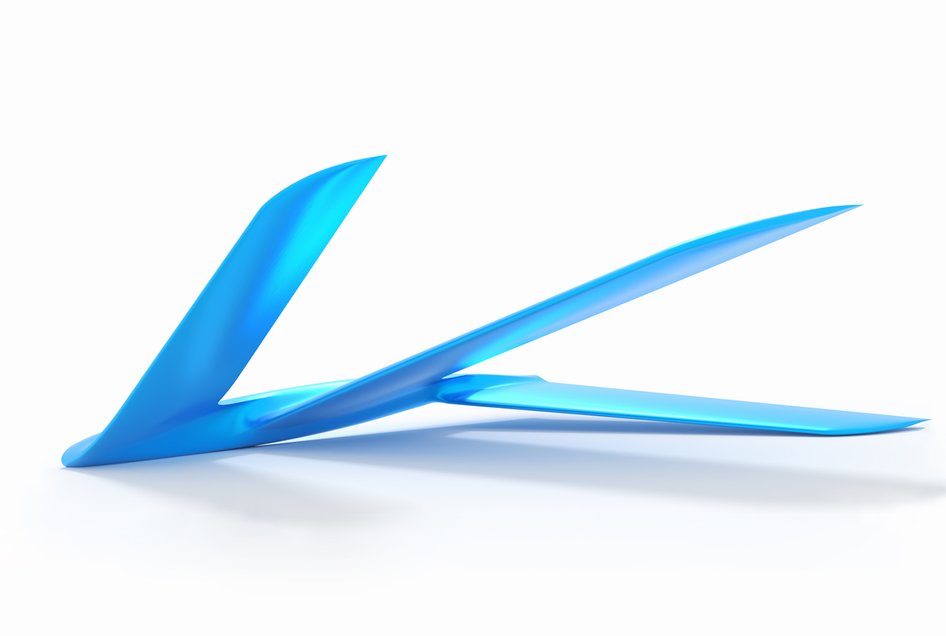
TRINITAIR represents APC’s scalable aerodynamic architecture engineered for seamless integration into in-service aircraft fleets.
Designed for structural compatibility and certification-aligned implementation, the platform enables measurable aerodynamic performance enhancement without disruptive airframe redesign.
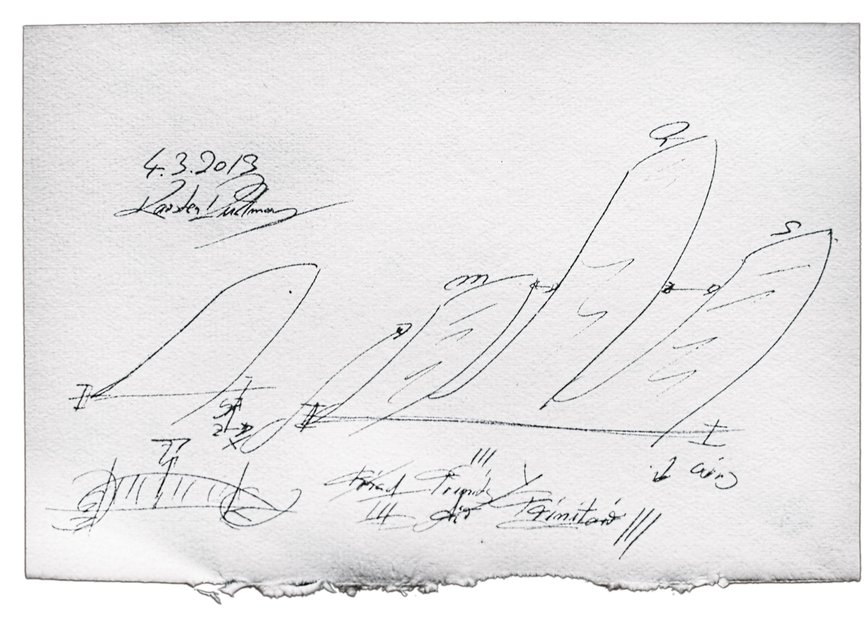
At its core, TRINITAIR restructures vortex formation and load distribution through coordinated multi-element interaction.
Engineering Focus
• Coordinated vortex interaction
• Load-adaptive aerodynamic distribution
• Retrofit-aligned structural integration
• Certification-oriented development
TRINITAIR is not a winglet system.
It is an aerodynamic architecture platform.
TRINITAIR is engineered to enhance aerodynamic efficiency across mission-critical flight phases.
By influencing induced drag at its origin, the platform contributes to measurable improvements in cruise performance and operational flexibility.
• Reduced induced drag
• Lower thrust requirement
• Reduced fuel consumption
• Enhanced climb performance
• Extended range or increased payload
• Integration aligned with maintenance cycles
Improved aerodynamic performance directly reduces fuel consumption and lifecycle emissions.
APC retrofit architectures provide a near-term pathway to measurable environmental impact — without waiting for new aircraft generations.
Even small efficiency gains can translate into significant emission reductions when applied at fleet scale.
Every 1% fuel reduction saves ~90,000 tons CO₂ annually across a large
fleet.*
Retrofit aerodynamic technologies therefore represent one of the fastest pathways to reduce emissions across aircraft already in service today.
Aircraft Performance Company GmbH operates as an innovation-driven aerospace engineering company headquartered in Hamburg, Germany, focused on aerodynamic modernization for in-service aircraft fleets, in production and future aircraft under development.
APC methodology combines aerodynamic research, engineering realism and a clear focus on solutions that can be integrated into aircraft already in service.
With the development of the TRINITAIR™ multi-element wingtip architecture, APC innovated an aerodynamic device to manage vortex interaction and improve aerodynamic efficiency across existing aircraft platforms.
The company’s approach emphasizes practical implementation — from aerodynamic concept to structural integration and certification awareness.
Mohammed Alzeer, the MAZ Group founder, is APC's major shareholder, technology development and industrial partner, and the major force behind empowering APC’s technology development and long-term strategic evolution.
In addition, the MAZ Group involvement and support enables APC to combine aerodynamic innovation with manufacturing capabilities and expertise, major aircraft modifications FAA/EASA certifications expertise, global strategic expansion, financial support, strategies, and planning, with long-term APC development.
Another major advantage the MAZ Group led by Mohammed Alzeer provides to APC, is the success the MAZ Group long-term strategies in developing Green Aircraft Technologies that enables aircraft operators to achieve excellent Aviation Carbon Emissions Reduction values.
The MAZ Group aviation Green Aircraft strategy was focused on reducing aircraft carbon emission by developing "Practical, Retrofittable, FAA/EASA Certified Green aircraft Technologies" in two main areas:
Certified Aircraft Weight Reduction as a Direct method for Emissions Reduction
Aircraft carbon emission is directly linked to aircraft weight, hence reducing structural and cabin weight therefore translates immediately into measurable fuel savings and lifecycle emission reduction.
The MAZ Group has demonstrated this principle through the development, design and certification of advanced weight reduction solutions:
Equivalent to approximately 30 tons weight savings on a widebody aircraft
Resulting in an indicative lifecycle CO₂ reduction in the order of 150,000+ tons, depending on mission profile and utilization
These solutions are not theoretical.
They are engineered, certified and installed in real aircraft programs.
From Drag Reduction to System-Level Performance Gains
Beyond weight, aerodynamic performance represents the second major lever for reducing aircraft emissions.
The MAZ Group’s strategy focuses on the development of improved and highly efficient aerodynamic technologies designed to:
Within this strategic framework, APC acts as the dedicated platform for aerodynamic innovation.
It translates advanced aerodynamic concepts into:
This capability is significantly strengthened by the MAZ Group’s industrial depth and long-term strategic vision under the leadership of Mohammed Alzeer — enabling APC to move beyond innovation toward real-world, certified and scalable implementation.
APC welcomes confidential discussions regarding aerodynamic retrofit integration, certification strategy and international industrial collaboration.
The company is also available for technical consultation, concept development and the exploration of new aerodynamic technology solutions.
Technical inquiries, partnership discussions and collaborative development projects are welcome.